
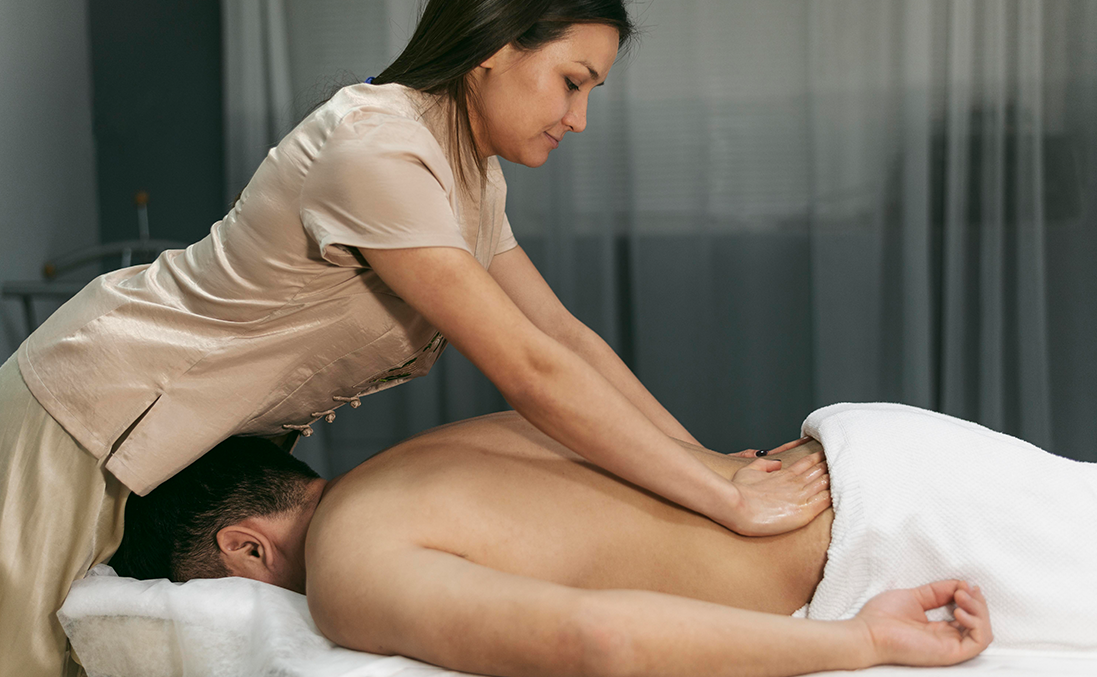
Sometimes your body feels tired even when you have not done anything unusual. Your shoulders may feel tight after work. Your legs may feel heavy after a long day. Stress can also make it harder to relax. This is where Swedish massage may offer a calming form of hands-on care.
Swedish massage commonly uses long strokes, kneading, rubbing, tapping, and gentle vibration. Together, these movements work with muscles and other soft tissues. Research has also studied massage for pain, relaxation, and emotional well-being. However, results differ across people and health conditions.
Understanding the five main techniques can help you know what happens during a session. More importantly, you can better explain what feels comfortable for your body.
Effleurage Swedish Massage Strokes for Full-Body Calm
Effleurage usually introduces the body to massage. A therapist uses smooth, gliding movements across larger areas of the body. These strokes often follow the natural shape of the muscles.
Because the movements are broad and controlled, they can help you settle into the session. Therapists may also use effleurage between other techniques. This creates a gradual change between lighter and more focused work.
The main features include:
- Long and smooth hand movements
- Light to moderate pressure
- Broad contact across larger muscle areas
- Slow, steady movements that support relaxation
- Use at the beginning, between techniques, or near the end
Effleurage also helps therapists feel areas of muscle tension before using other movements. The American Massage Therapy Association describes these long strokes as a way to warm muscles before more focused techniques.
Therefore, effleurage does more than simply start a massage. It creates a comfortable base for the techniques that follow.
Petrissage Massage Kneading to Release Deep Muscle Tension
Petrissage feels quite different from long gliding strokes. Instead, the therapist gently kneads, rolls, lifts, or squeezes soft tissue. Think about how hands knead dough, although massage movements remain controlled and comfortable.
This technique lets the therapist work with muscle tissue more directly. As a result, petrissage often follows effleurage once the body has settled.
What Petrissage Feels Like
You may notice rhythmic squeezing or rolling movements. However, the pressure should still match your comfort level.
Why Therapists Use It
Petrissage helps therapists work through larger muscle groups with steady movements. Research discussed by the American Massage Therapy Association also links petrissage with muscle recovery and local circulation.
“More pressure” does not automatically mean a better massage.
Instead, useful pressure should feel controlled and appropriate for your body. So, tell your therapist when an area feels too sensitive. Good communication can make this part of Swedish massage far more comfortable.
3. Friction Focuses on Smaller Areas
Friction uses smaller, more focused movements than effleurage or petrissage. A therapist may use fingers, thumbs, palms, or other hand surfaces. The movement can travel across or around a specific area of soft tissue.
Therefore, friction can feel more concentrated than the earlier techniques. A therapist may use it when an area needs closer attention. However, focused work should not become a test of how much discomfort you can tolerate.
Common features of friction include:
- Small circular or back-and-forth movements
- More attention to a limited area
- Controlled contact with soft tissue
- Short periods of focused work
- Pressure adjusted around comfort
Research on massage therapy suggests possible benefits for some types of pain. Still, evidence quality varies widely between conditions. A 2024 systematic review found only a small number of moderate-certainty conclusions for massage and pain. So, view massage as supportive care rather than a guaranteed treatment for pain.
Tapotement Massage Percussion to Reenergize Muscles
Tapotement brings a different rhythm into Swedish massage. Instead of gliding or kneading, the therapist uses quick tapping or percussion-style movements.
Hands may be lightly cupped or positioned differently depending on the area. The therapist then creates repeated, controlled contact with the muscles.
Here is a simple comparison of the first four techniques:
| Technique | Main Movement | Common Sensation | Main Purpose in a Session |
| Effleurage | Long gliding strokes | Smooth and calming | Introduces and connects massage work |
| Petrissage | Kneading and lifting | Rhythmic pressure | Works with larger muscle areas |
| Friction | Small focused movements | Concentrated contact | Gives specific areas more attention |
| Tapotement | Tapping and percussion | Quick and rhythmic | Changes the pace and stimulation |
The American Massage Therapy Association describes tapotement as rapid movements that may include tapping, patting, or clapping. However, therapists do not need to use every technique equally. Your comfort and session goals should guide the approach.
Vibration Massage Shaking to Soothe Sensitive Areas
Vibration may be the least familiar of the five Swedish techniques. During this method, the therapist creates small shaking or trembling movements through their hands.
These movements may stay in one area briefly before the therapist continues. Therefore, vibration can provide a clear change from kneading, friction, or tapping.
You may experience:
- Gentle shaking over a muscle area
- Small and rapid hand movements
- Brief periods of focused movement
- A transition after stronger techniques
- Pressure adjusted to your comfort
Some massage professionals use vibration after petrissage when they want to shift toward gentler work.
Because every person responds differently, vibration may feel relaxing to one person and less comfortable to another. That is completely useful information for your therapist. So, speak up. Massage should involve communication, not silent endurance.
How Swedish Massage Techniques Blend for Deep Relaxation
A Swedish session is not simply five separate techniques performed in order. Instead, a therapist can blend them according to your body and comfort.
For example, a session may begin with effleurage. Then, petrissage can introduce more focused muscle work. Friction may address smaller areas. Tapotement can change the rhythm, while vibration may create another transition.
“The best pressure is the pressure that suits your body that day.”
That idea matters because your needs can change. You may want gentle relaxation during one visit. At another time, certain muscles may need more attention.
Chaba’s service information describes its Swedish treatment as a relaxation-oriented full-body massage. It uses massage oil and longer, flowing strokes. The service focuses on general muscular tension, tired muscles, stress reduction, and overall physical calm. Therefore, understanding these techniques helps you communicate what kind of session feels right.
What Research Reveals About Swedish Massage Benefits
Massage research covers many techniques, health conditions, and patient groups. Therefore, broad claims about benefits need some caution. A systematic review of Swedish massage reported positive findings across several studied groups. However, it also noted that massage is not completely risk-free.
Meanwhile, a larger review of massage for pain found benefits compared with several control groups. It also reported possible improvements in anxiety and health-related quality of life.
Still, newer research gives important context. A 2024 review examined systematic reviews published from 2018 through 2023. It found no high-certainty conclusions for massage therapy and painful adult conditions. Only seven conclusions reached moderate certainty.
Therefore, keep expectations realistic. Massage may support comfort and relaxation, but it should not replace medical care when you need it. If you have an injury or health concern, discuss massage with a qualified healthcare professional first.
Getting More Benefit From Each Swedish Massage Session
You do not need to understand massage like a therapist. However, knowing the basics can help you communicate clearly. Before a session, consider what your body needs that day. Do you mainly want quiet relaxation? Are your shoulders tired from sitting? Does a certain area feel sensitive?
Then, share that information before the massage starts.
During your session:
- Say when pressure feels too light or strong.
- Mention sensitive areas before focused work begins.
- Tell the therapist if a technique feels uncomfortable.
- Ask for changes when your body needs them.
- Mention relevant injuries or health concerns beforehand.
Also, remember that massage preferences are personal. One person may enjoy firmer petrissage. Another may prefer long, gentle effleurage.
Chaba Massage & Spa offers Swedish massage as a relaxation-focused service using massage oil and longer, flowing strokes. Knowing the five core techniques can help you better understand your session and communicate your comfort needs.