
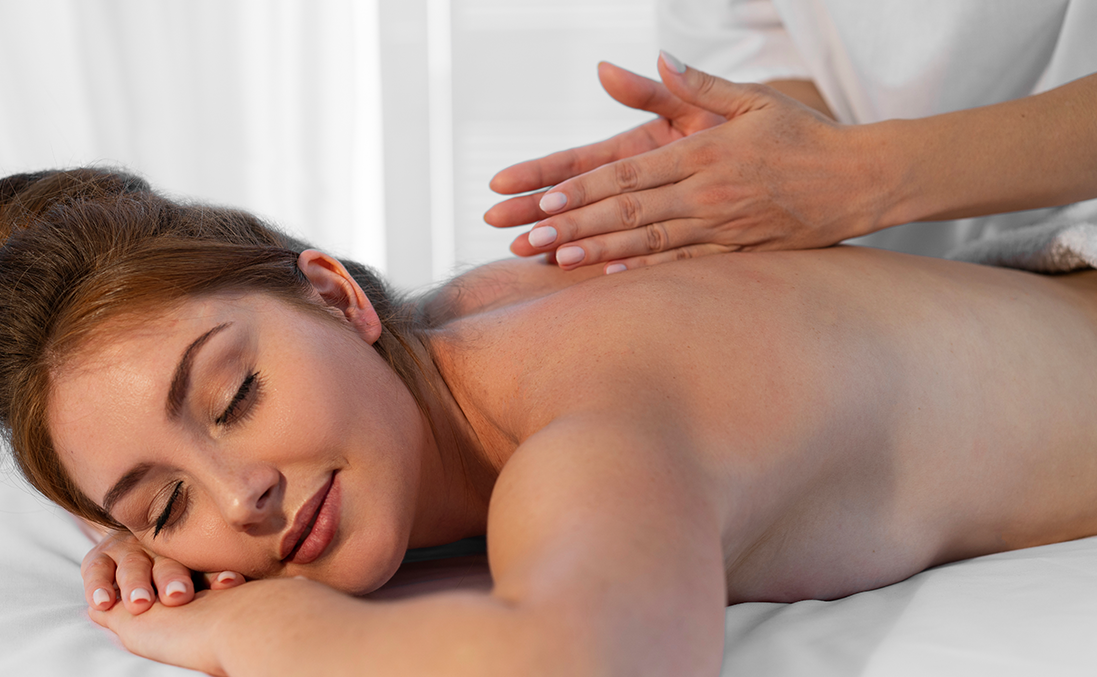
Tight muscles can make simple parts of your day feel harder. Your shoulders may stay tense after work. Your lower back may feel stiff after sitting. You may also notice stubborn knots that never seem to loosen.
That is where deep tissue massage may help. This massage style uses slower movements and steady pressure on tight areas. However, “deep” does not mean the therapist should cause sharp pain. Instead, the goal is controlled pressure that reaches tense muscles and nearby soft tissue.
So, what actually happens during a session? More importantly, how can you decide whether deeper bodywork fits your needs? Here is a simple breakdown.
Deep Tissue Massage Explained for Lasting Pain Relief
Deep tissue massage is a massage technique focused on tight muscles and areas of ongoing tension. A therapist usually works more slowly than during a relaxation massage. They may also hold pressure on certain areas before moving to another spot.
The word “deep” can sound intense. However, pressure should still stay within your comfort level. A therapist can work with deeper muscles without forcing your body.
This approach often focuses on areas such as:
- Neck and shoulders
- Upper and lower back
- Hips and glutes
- Legs and calves
- Areas with stubborn muscle tightness
Unlike a light relaxation massage, the session may spend more time on one problem area. Therefore, it can feel more focused.
Massage works on muscles and other soft tissues. According to the National Center for Complementary and Integrative Health, massage includes many techniques based on individual needs and physical condition.
How Deep Tissue Massage Works on Tight Muscle Layers
A therapist does not simply press harder from the start. Instead, the muscles usually need time to respond.
The therapist may begin with lighter strokes. Then, pressure can slowly increase as the tissue warms. This gradual approach also gives you time to notice what feels comfortable.
“Deeper pressure should feel purposeful, not like something you have to endure.”
During deep tissue massage, therapists may use their hands, fingers, knuckles, forearms, or elbows. However, technique matters more than force.
Slow pressure can help a therapist work through tense areas without rushing. As a result, some people notice less stiffness or easier movement afterward.
Still, scientists do not fully understand every way massage affects pain. Research also shows that benefits for some pain conditions may be short-term.
Therefore, massage should support your overall care rather than replace medical treatment when you need it.
3. Common Deep Tissue Massage Techniques
Therapists may combine several methods during a session. The exact approach depends on where you feel tight and how your body responds.
Common techniques include:
- Slow strokes: Long, controlled movements help prepare tight muscle areas.
- Sustained pressure: The therapist may hold steady pressure on a tense spot.
- Focused muscle work: More time may be spent around stubborn knots.
- Cross-fiber movements: Pressure may move across muscle fibers instead of following their direction.
- Gradual pressure changes: The therapist may increase or reduce pressure based on your feedback.
Communication matters throughout the session. For example, pressure that feels helpful to one person may feel too strong to another.
You should be able to speak up at any point. Ask for lighter pressure if you feel sharp, burning, or overwhelming pain. In fact, deeper pressure is not automatically better. Controlled pressure gives the therapist more useful feedback and helps you stay relaxed.
4. What Benefits Can Deep Tissue Massage Offer?
People often choose deep tissue massage because they want focused work instead of general relaxation. Research on massage suggests possible short-term benefits for some types of muscle-related pain. However, the quality of evidence varies.
Here is a simple look at what people may experience:
| Common Goal | How Massage May Help | What to Remember |
| Muscle tightness | Focused pressure may help tense areas feel less stiff | Results differ between people |
| Neck or shoulder discomfort | Massage may offer short-term relief | It does not fix every cause of pain |
| Restricted movement | Relaxed muscles may make movement feel easier | Ongoing problems may need medical assessment |
| Physical stress | Hands-on bodywork may help the body feel calmer | Comfort and pressure should stay controlled |
| General soreness | Gentle-to-deep work may ease temporary muscle tension | Severe or unexplained pain needs medical attention |
The main benefit for you is simple: targeted work may help tight areas feel easier to move. Still, massage is not a cure for injuries or medical conditions.
What to Expect During a Deep Tissue Massage Session
Knowing what to expect can make your first session much easier.
Before the Massage
Your therapist may ask where you feel tight, sore, or sensitive. They may also ask about injuries, medications, or health concerns. Give clear answers because this information can affect pressure and technique.
During the Massage
The therapist may start gently before moving deeper. You might feel firm pressure or a stretching feeling. However, you should not feel forced to tolerate severe pain. You can ask the therapist to change pressure at any time.
After the Massage
Some people feel relaxed right away. Others notice mild tenderness in areas that received focused work. Afterward, move normally and pay attention to how your body feels. You do not need extreme recovery routines. Instead, give your body time and avoid anything that clearly increases soreness.
Is Post Deep Tissue Massage Soreness Normal for You
Mild tenderness can happen after stronger massage work, especially if your muscles were already tight. However, soreness should not feel severe or alarming.
“A productive massage does not need to leave you hurting for days.”
You may notice that certain areas feel sensitive when touched. Usually, that feeling should settle rather than continue getting worse. After your session, gentle movement may feel better than staying completely still. Also, follow normal hydration habits instead of forcing yourself to drink excessive water.
Pay attention to warning signs. Severe pain, major swelling, unusual weakness, numbness, or symptoms that keep getting worse deserve medical attention.
Importantly, rare serious problems have been reported after massage. Some cases involved vigorous techniques or people with a greater risk of injury. Therefore, more pressure is never the main goal. Safe, controlled bodywork should always come first.
When You Should Skip Deep Pressure Massage Techniques
Massage is generally considered low risk when a trained practitioner performs it. However, deep tissue massage is not right for every situation.
Talk with a health care professional before deep pressure if you have concerns involving:
- A bleeding disorder
- Blood-thinning medication
- Open wounds or damaged skin
- A recent serious injury
- Fragile bones or fracture risk
- A serious medical condition
- Recent surgery
NCCIH specifically advises people with bleeding disorders, low platelet counts, or anticoagulant use to avoid forceful deep massage.
Also, never use massage to delay medical care for unexplained or severe pain. A painful area can sometimes have a cause that massage cannot address. Your comfort also matters. If you simply dislike strong pressure, another massage style may suit you better.
Deciding If Deep Tissue Massage Is Right for You
Deep tissue massage may make sense when muscle tightness feels stubborn and lighter massage has not met your needs. It can also suit people who prefer slower, focused pressure on specific areas.
Before booking, think about three questions:
- Do you want focused muscle work rather than only relaxation?
- Can you comfortably communicate when pressure feels too strong?
- Have you ruled out medical problems that need professional care?
If you answered yes, deeper bodywork may be worth considering.
However, remember that massage results differ. Research suggests massage can provide short-term relief for some pain conditions, but evidence is not strong enough to promise the same result for everyone. The best session should leave you feeling listened to, not tested by how much pressure you can handle.
For people seeking this service locally, Chaba Massage & Spa offers deep tissue massage using slower strokes, sustained pressure, and focused work on deeper muscle tension and knots.